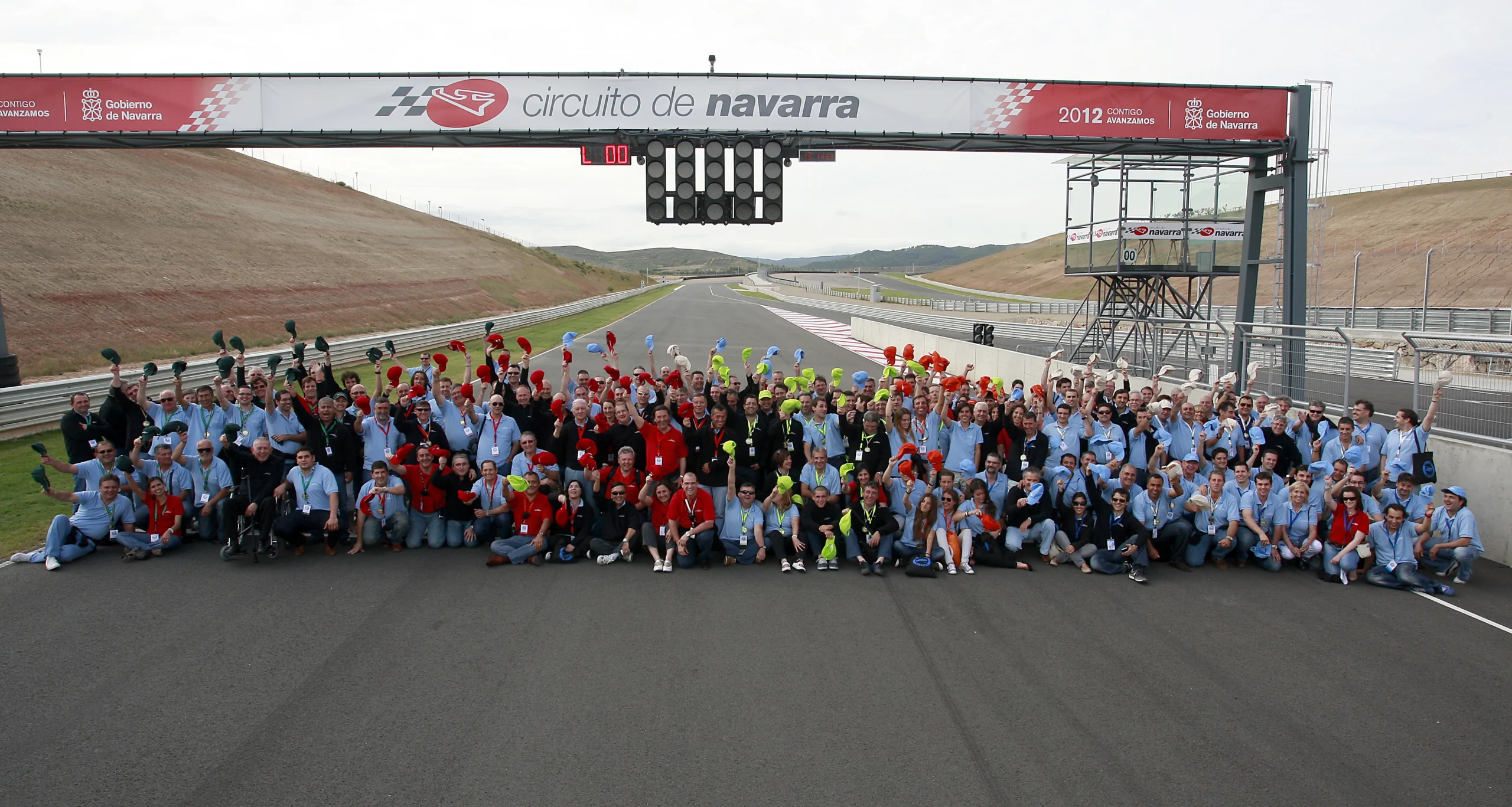
At Icer we take care of our people and seek to offer them an optimal working environment, with equal opportunities to all. We have implemented:
- An equality plan that promotes gender equity and inclusion in the workplace.
- Work-life balance policies, ensuring a healthy work environment.
ICER BRAKES is an active member of the communities in which it operates, and wants to contribute to the economic development of the region, for which we carry out numerous actions. 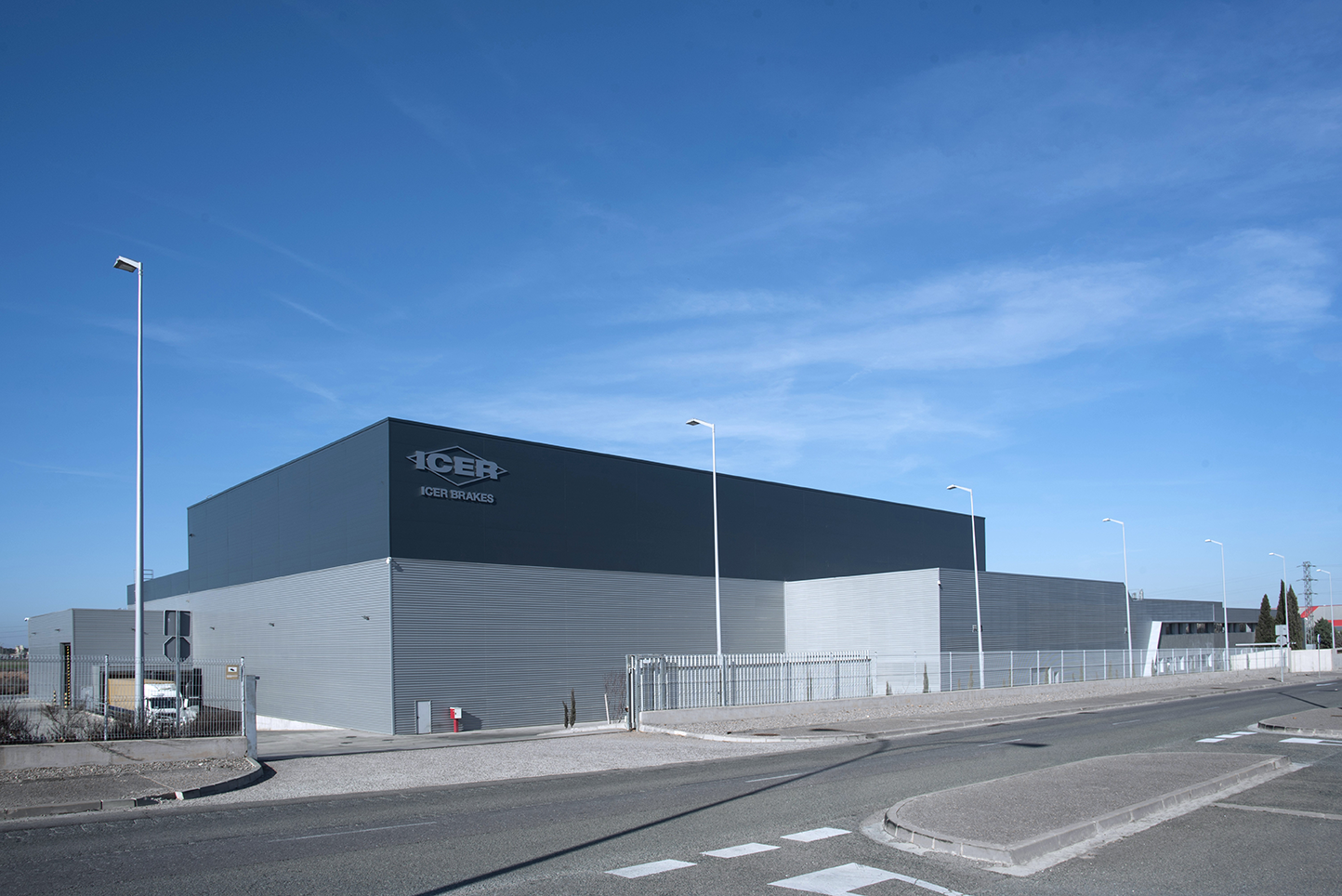
UN Global Compact
In 2023, ICER BRAKES joined the UN Global Compact, an initiative for the development and disclosure of responsible business practices through the application of the Ten Universally Accepted Principles of the United Nations and the Sustainable Development Goals (SDGs).

Sernauto
At the national level, ICER is part of Sernauto’s Responsible Business Communication, which brings together automotive suppliers that have strategies for responsibility and commitment to the environment. The aim of this commission is to share initiatives carried out in companies, to promote the development of sustainability strategies and to encourage the implementation of good practices.
EnREDarse
At the local level, in early 2023, ICER BRAKES joined the EnREDarse Project, the leading network in Navarre in the field of sustainability. This initiative brings together committed companies in Navarre and seeks to raise awareness of different sustainability strategies that serve as inspiration to promote a responsible business culture.
Energy efficiency programme in industry (IDAE)
ICER BRAKES, S.A. has carried out an energy efficiency improvement project at its production plant in Tudela (Navarra), consisting of replacing the existing air compressors with two new variable speed compressors with integrated dryers. The project was carried out within the framework of the Aid Programme for Energy Efficiency Measures in SMEs and Large Companies in the Industrial Sector, managed by the Institute for Energy Diversification and Saving (IDAE) and financed by the National Energy Efficiency Fund, with a contribution from the Ministry for Ecological Transition and Demographic Challenge and co-financing from the European Regional Development Fund (ERDF).